
NAMRU EURAFCENT Manuscript Published in Medical and Veterinary Entomology
NAVAL AIR STATION SIGONELLA, Italy – In late May, Naval Medical Research Unit (NAMRU) EURAFCENT researchers and partners in Tunisia published a study in the journal Medical and Veterinary Entomology , identifying key locations and seasonal patterns of the invasive mosquito Aedes albopictus, a vector associated with diseases such as dengue.
The manuscript, titled “The Asian tiger mosquito Aedes albopictus (Diptera: Culicidae) in Northern and Central Tunis: Seasonal activity, spatial distribution modelling and dengue virus surveillance,” shows that the mosquito has become established in northern Tunisia in recent years, reinforcing the need for continuous monitoring and collaboration with host-nation partners.
“The publication in a peer-reviewed journal reflects a significant scientific effort,” said Cmdr. Benjamin Espinosa, science director for NAMRU EURAFCENT. “It validates the importance of NAMRU EURAFCENT’s work within both the military and global scientific communities. I’m very proud of our team and their work on this publication.”
By identifying where the Aedes albopictus mosquito species is most likely to be found and when its activity increases, particularly during warmer months, military personnel are better equipped to understand and anticipate potential health risks in the region.
“Our work helps determine not just where and when to expect disease threats, but to also give some idea of the relative risk,” said Lt. Cmdr. Matthew Montgomery, a co-author of the manuscript.
Although no dengue virus was detected, the presence of Aedes albopictus requires continued surveillance to help units prioritize prevention efforts, focus resources on higher-risk areas and reduce the impact of vector-borne diseases on warfighter readiness.
“Insecticides are expensive and you often have limited logistical capabilities, especially during a deployment, so being able to accurately account for disease risk is critical to allocating those resources effectively,” Montgomery said.
Beyond its immediate impact, the research contributes to a broader understanding of how disease threats are evolving in regions where U.S. and partner forces operate.
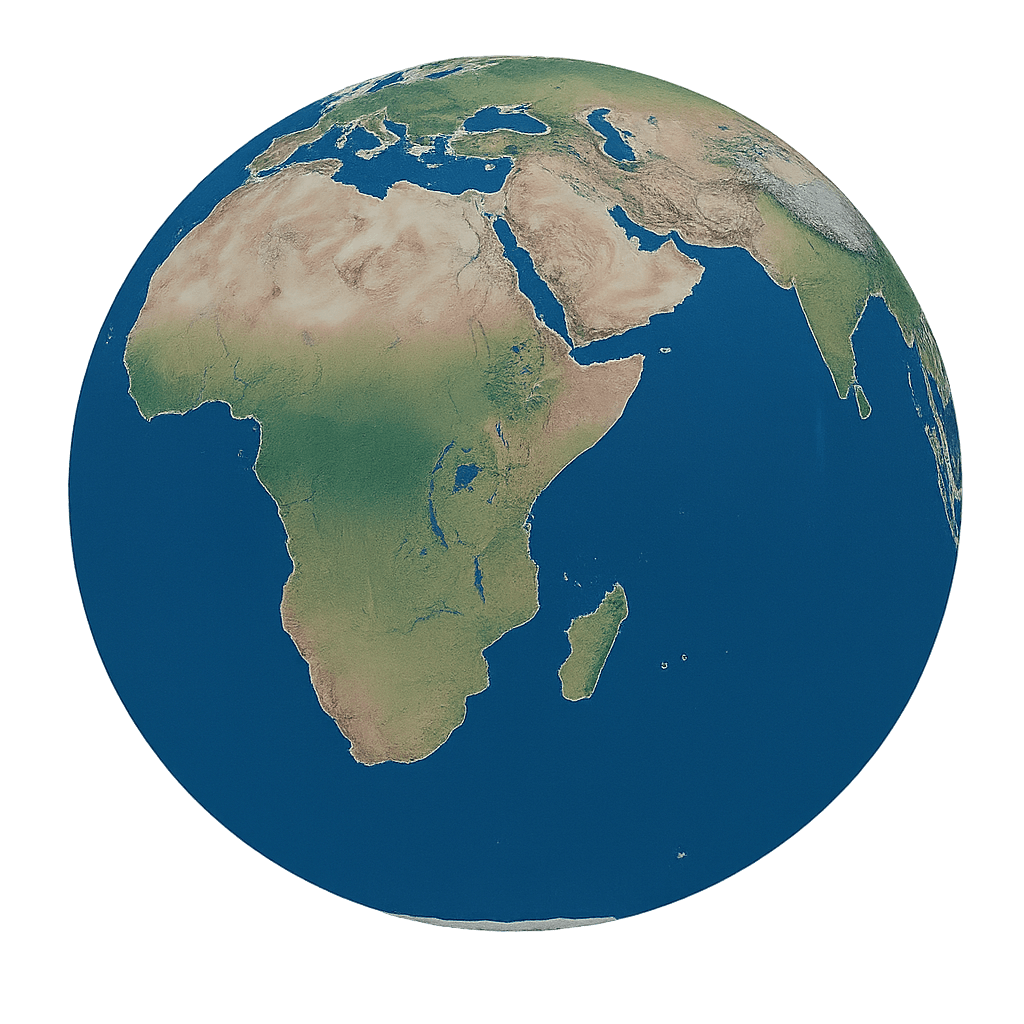
“The identification of Aedes mosquitoes in Tunisia is operationally significant as this region is a major African-European intersection and disease vectors do not respect borders,” said Espinosa. “The ability of vectors to move across continents presents a real and emerging risk to military forces. Identifying and understanding how these threats spread, allow us to better prepare for potential impacts on military operations.”
The command’s work connects medical and operational readiness by delivering information that helps safeguard warfighter health and sustain mission effectiveness in complex environments.
NAMRU EURAFCENT, part of Navy Medicine Research & Development, conducts research, surveillance and studies of vaccines, therapeutic agents, diagnostic assays and vector control measures in the EUCOM, AFRICOM and CENTCOM Areas of Responsibility to better prevent and treat infectious diseases in support of Navy, Marine Corps and joint U.S. warfighter health, readiness and lethality.
Legal Disclaimer:
EIN Presswire provides this news content "as is" without warranty of any kind. We do not accept any responsibility or liability for the accuracy, content, images, videos, licenses, completeness, legality, or reliability of the information contained in this article. If you have any complaints or copyright issues related to this article, kindly contact the author above.
